RESEARCH
Design, reinforced by research, reveals an urgent call to liberate city life from the burden of outmoded practices. A community’s need for sanitary and sensible disposal of corpses is intertwined with the need of survivors to organize suitable rituals and memorialize the deceased.
DeathLab’s body of research includes critical theoretical spatial propositions, data projections, scientific inquiry, and aims to develop ways to reduce the adverse impacts of our living years on the environment.
Global Examples
Funerary Processes
+ their ecological impact
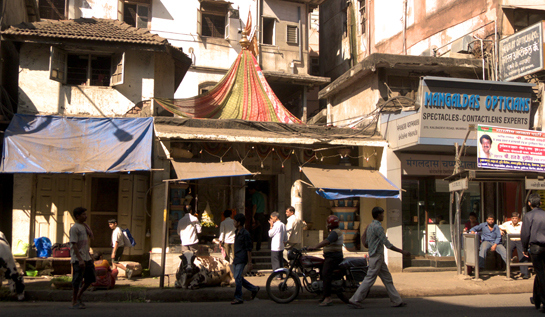
International research broadens our perspective and exposes us to situations which integrate tradition with the imperatives of increasing human migration and modern urbanism, intersections which can provoke cemeteries to rethink their place in urban life, in order to keep pace in a changing world.
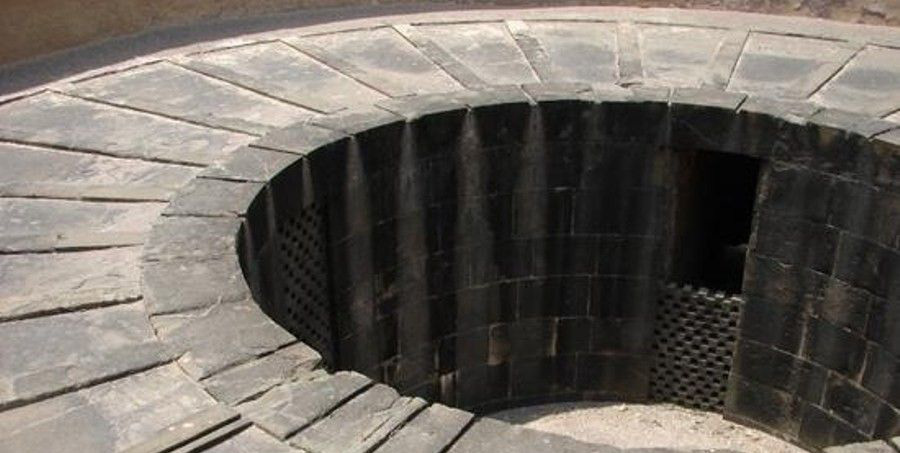
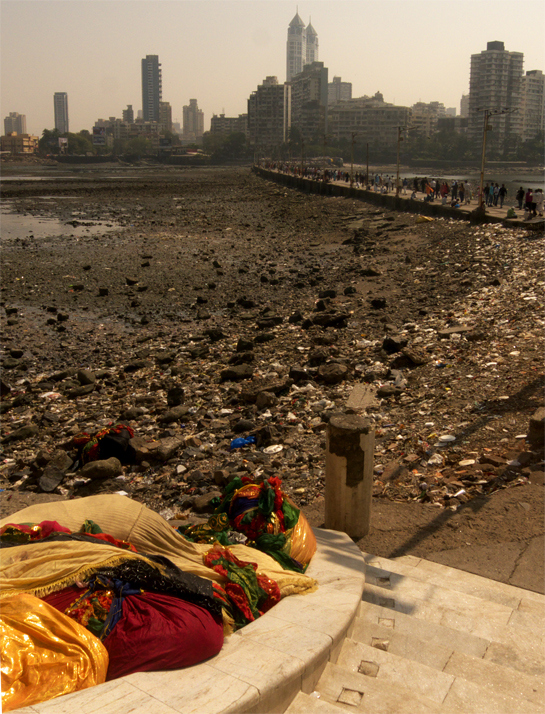
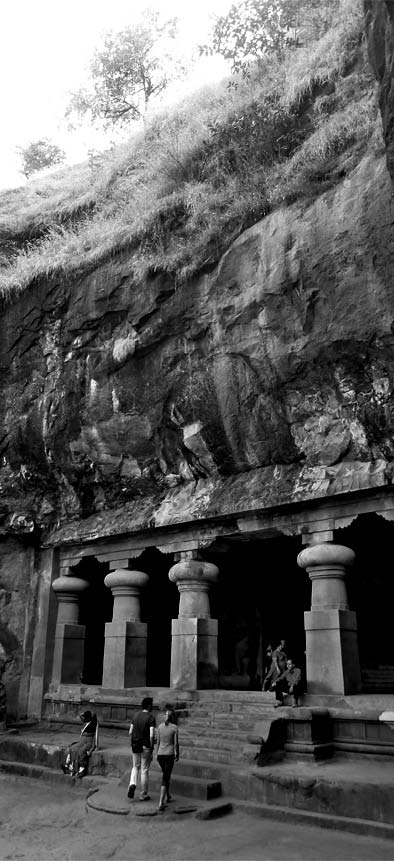
Tower of Silence, Mumbai, India
Zoroastrian residents around Malabar Hill traditionally used dakhma, or Towers of Silence, to lay out their dead in a natural process of excarnation - wherein the corpse is consumed by carrion birds.
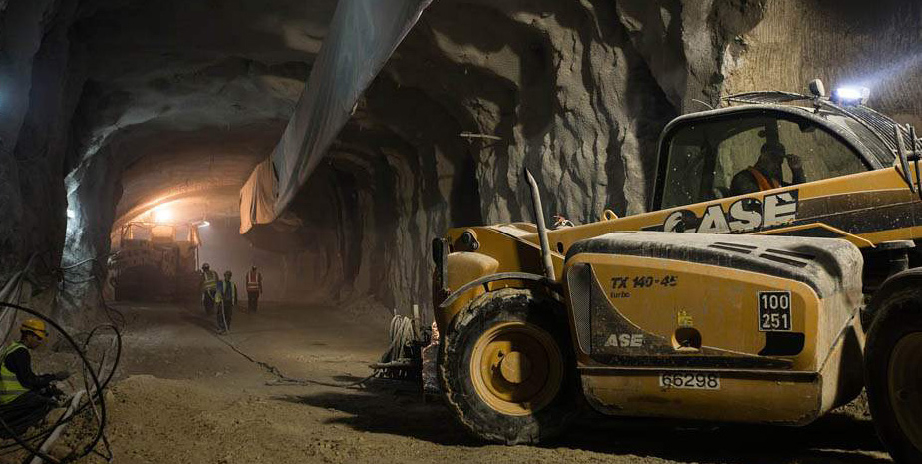
Givat Shaul High-Rise Cemetery, Jerusalem, Israel
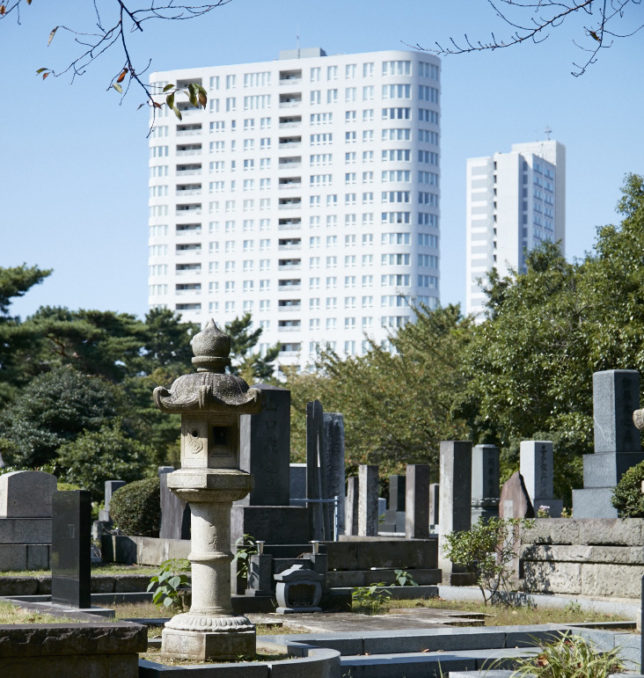
Jews generally do not cremate their dead; and the site of the Givat Shaul cemetery, on the border between Palestinian and Israeli territories made further horizontal expansion of Jerusalem's largest burial space politically untenable.
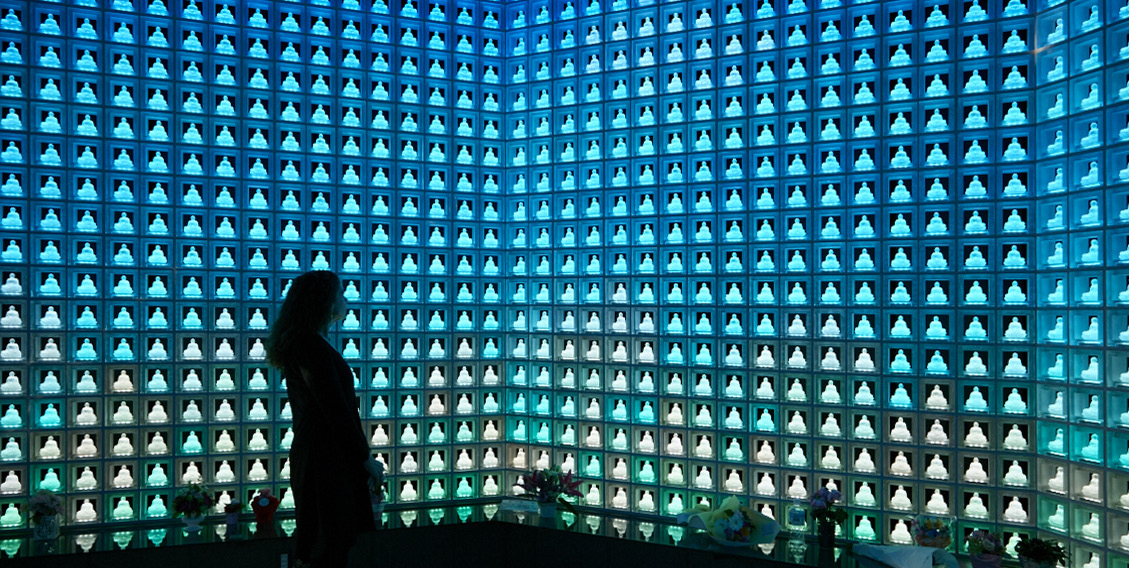
Ruriden Columbarium, Koukokuji Buddhist Temple, Tokyo
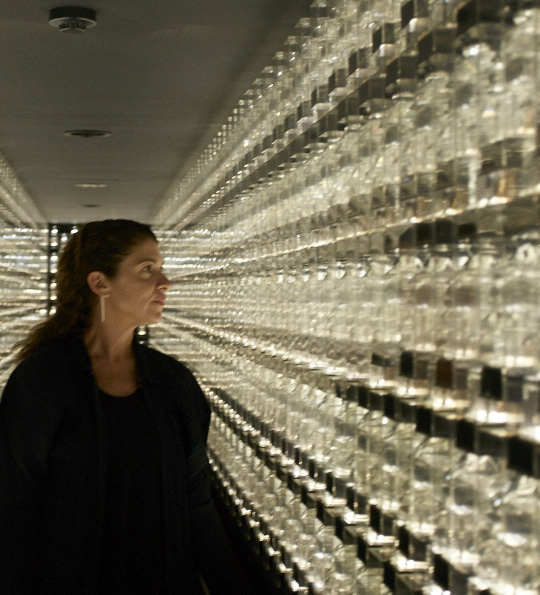
Ruriden columbarium addresses the dilemma of scarcity of the available land, providing housing for cremated remains for a thirty-three year duration. Visitors to the small Buddhist Ruriden temple are given a swipe card, which illuminates one of 2,046 small altars – glass Buddha cenotaphs corresponding to a single person’s remains.
Travel Research